
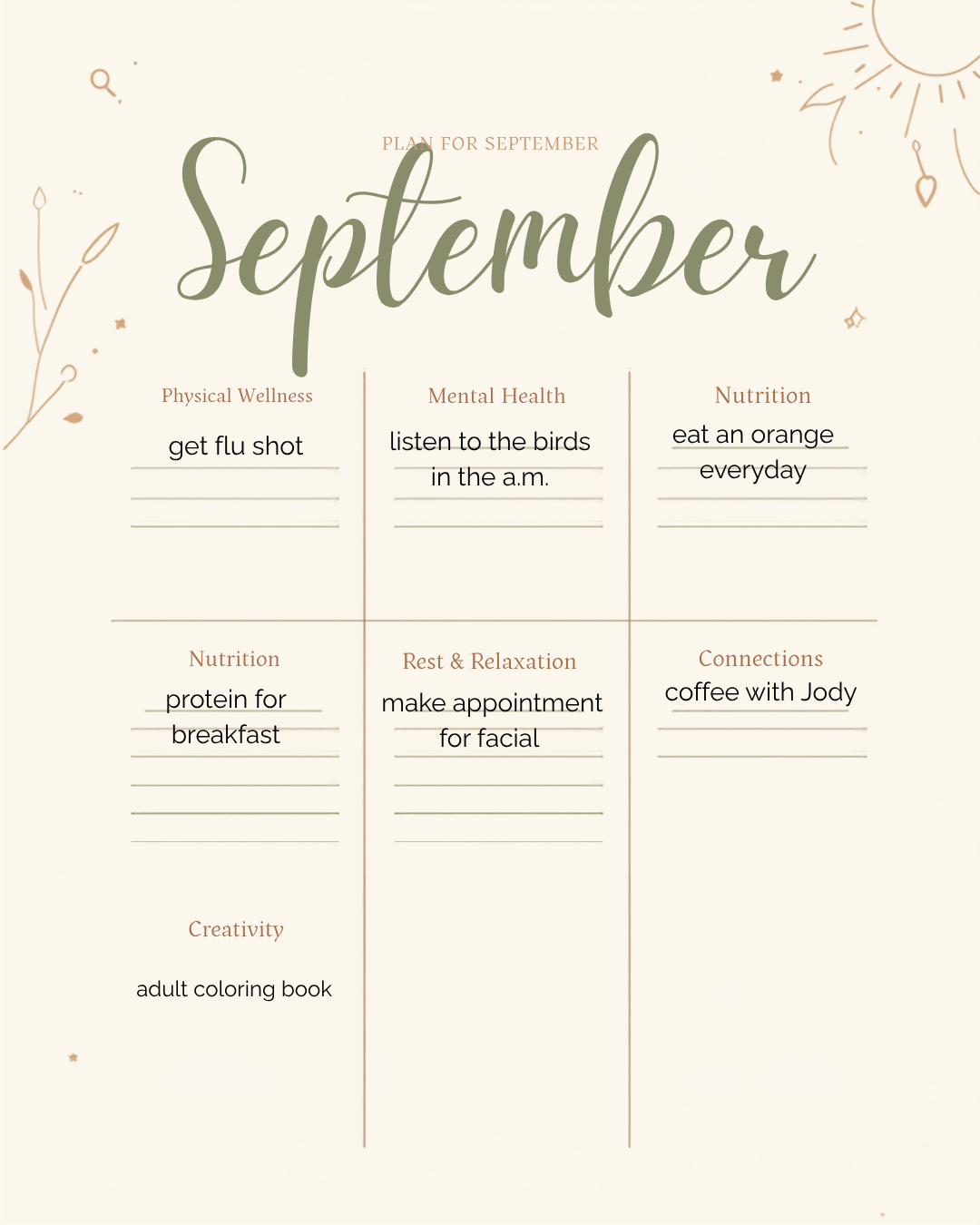
Feeling too overwhelmed to practice self-care? Use the example above to create your own self-care actions. Don’t know where to start? Start where you are, even if you only have energy for one small activity. Do that one thing, then congratulate yourself.
The Importance of Self-Care for Widows
September 2, 2026
Caregivers Need Self-Care, Too
The Earth has wobbled a bit on its axis with the passing of Dolly Parton - a woman, to all accounts - who was universally loved. Dolly was widowed in March 2025 after her husband of nearly 60 years died. In the months and days before Dolly died, she discreetly shared that her husband had been ill for a number of years and she had been his caregiver. True to herself as someone who valued helping people, she mentioned in interviews that during the years of caregiving, she had neglected her own health. She skipped appointments or failed to make medical appointments because she was so engrossed (as all caregivers tend to be) with caring for her husband. Dolly encouraged everyone to pay attention to their bodies and take care of themselves.
And, as we know, grieving exerts a major toll on our bodies. The combination of years of exhausting caregiving, ignoring our own health, and then living with the additional health burden of grief could be considered “the perfect storm” for a health crisis. As a community, we need to acknowledge the enormous toll on the health of caregivers and support them as they move into and through grief.
Actress Sandra Bullock recently shared her caregiving story after her partner was diagnosed with ALS during the COVID-19 pandemic. He asked that she not tell anyone about his diagnosis or illness as it progressed. The emotional burden of handling everything, being unable to talk with anyone about it, and learning things no one ever tells a caregiver (how to get a wheelchair down steps) left her with her own emotional trauma. Finally, two of her friends decided she needed to talk about her experiences. They Zoomed (or FaceTimed) her, and as she saw their faces on her screen, they quietly let her know they were there for her.
Given the early restrictions during the pandemic, her two friends could only support her by talking via computer. Yet, they offered her a brief respite.
Her story is incredibly painful to hear as she shared all the pressures of being a caregiver during a pandemic, a mother of two children - one of whom has asthma - becoming the cook for the nursing staff, and trying to work as an actress and producer during those years. She recounted video clips of herself from that time, which documented the physical wear and tear on her body. If you’re interested, you can hear her full story on the SmartLess podcast.
Dolly and Sandra are not the only women who have traveled this road of caregiving into widowhood, yet both their stories can - and should - serve as awakenings to all of us about how to care for ourselves and how to support and help those under the severe stress of caregiving.
Self-Care for Widows: Friendships Matter
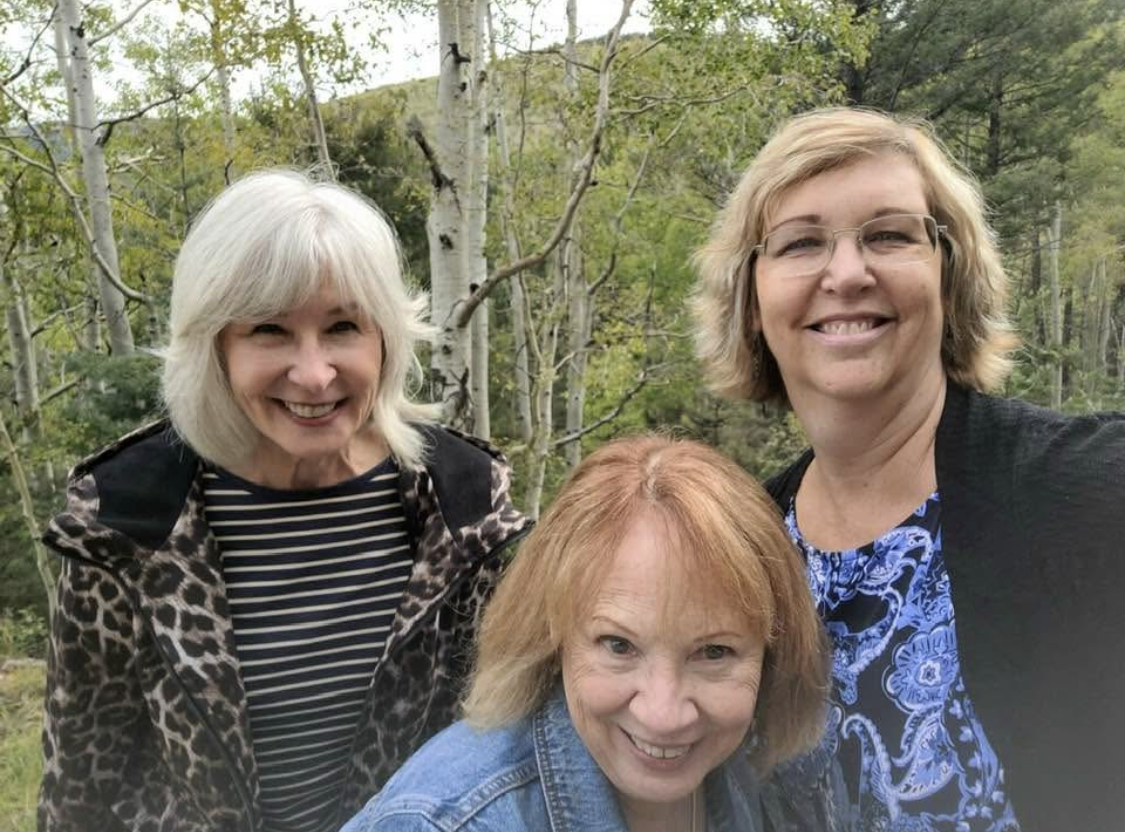
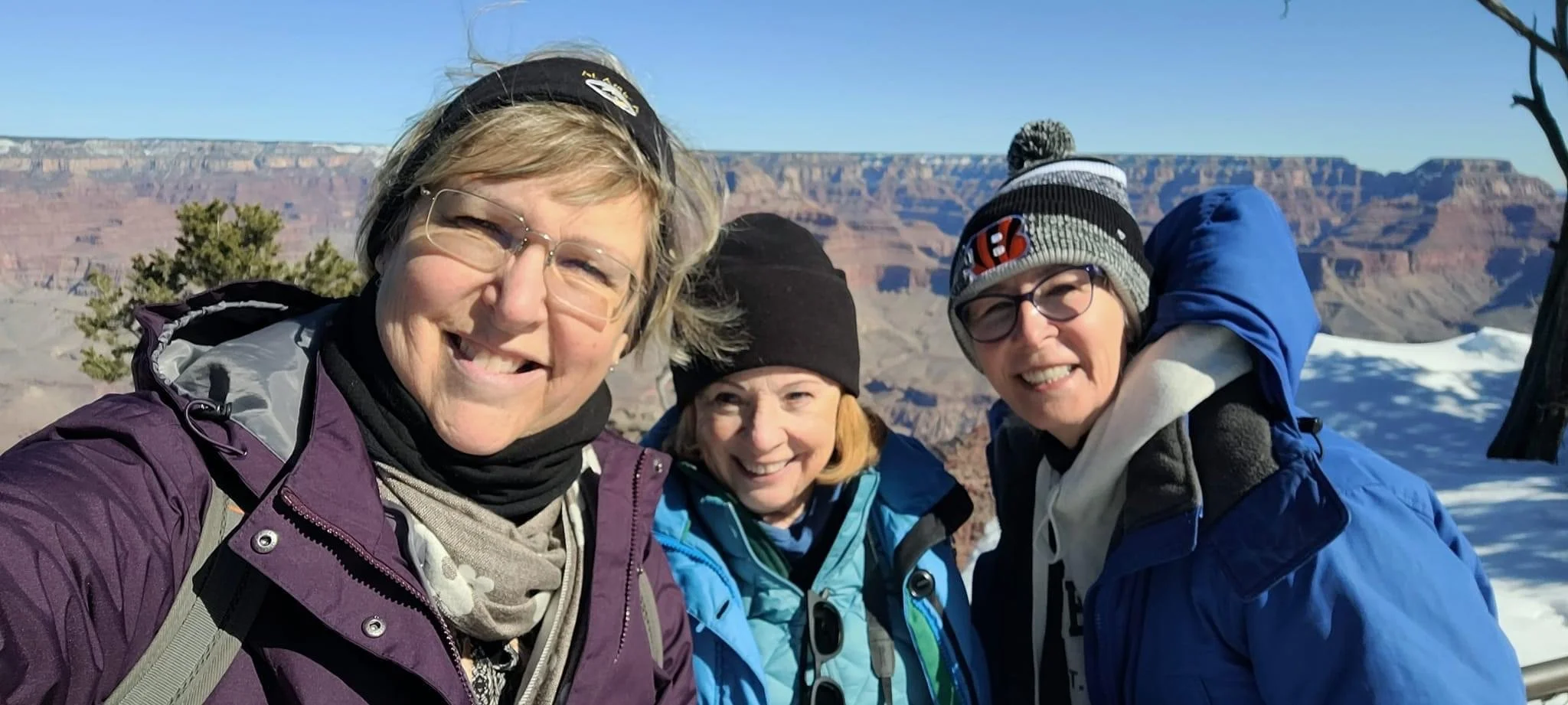
We three co-authors share a passion for travel. In 2019, we bonded over a Moroccan hammam experience that transformed our relationship from acquaintances to friends. The following year, our friendship deepened. During the COVID-19 pandemic, when Rebecca’s husband died, the two Karens did their best to support her. The following year, they helped her move. The photos below document our 2021 travels and show how friendships continue to grow and help create a new future for widows.
Research shows that close female relationships and social interactions improve our confidence and happiness. They increase serotonin and oxytocin (the bonding hormone), boosting our mood, encouraging positive behavior, and improving our overall health. Studies also show that women who feel isolated and have few social female connections have a higher incidence of depression and a weaker immune system. (UCLA Study)* Friendships matter for health.
Caregivers, widows, and every other woman need stronger friendships. Our relationships with other women empower us, both physically and mentally. Our girlfriends are there for tears, fears, laughter, and fun. Now more than ever, women need to make time to connect with one another, show compassion, and seek opportunities to support and mentor each other. Our health depends on it.
*Read this UCLA study. It contains valuable information about friendships and health. Self-Care for Widows: Friendships Matter
Self-Care in an Elevator!
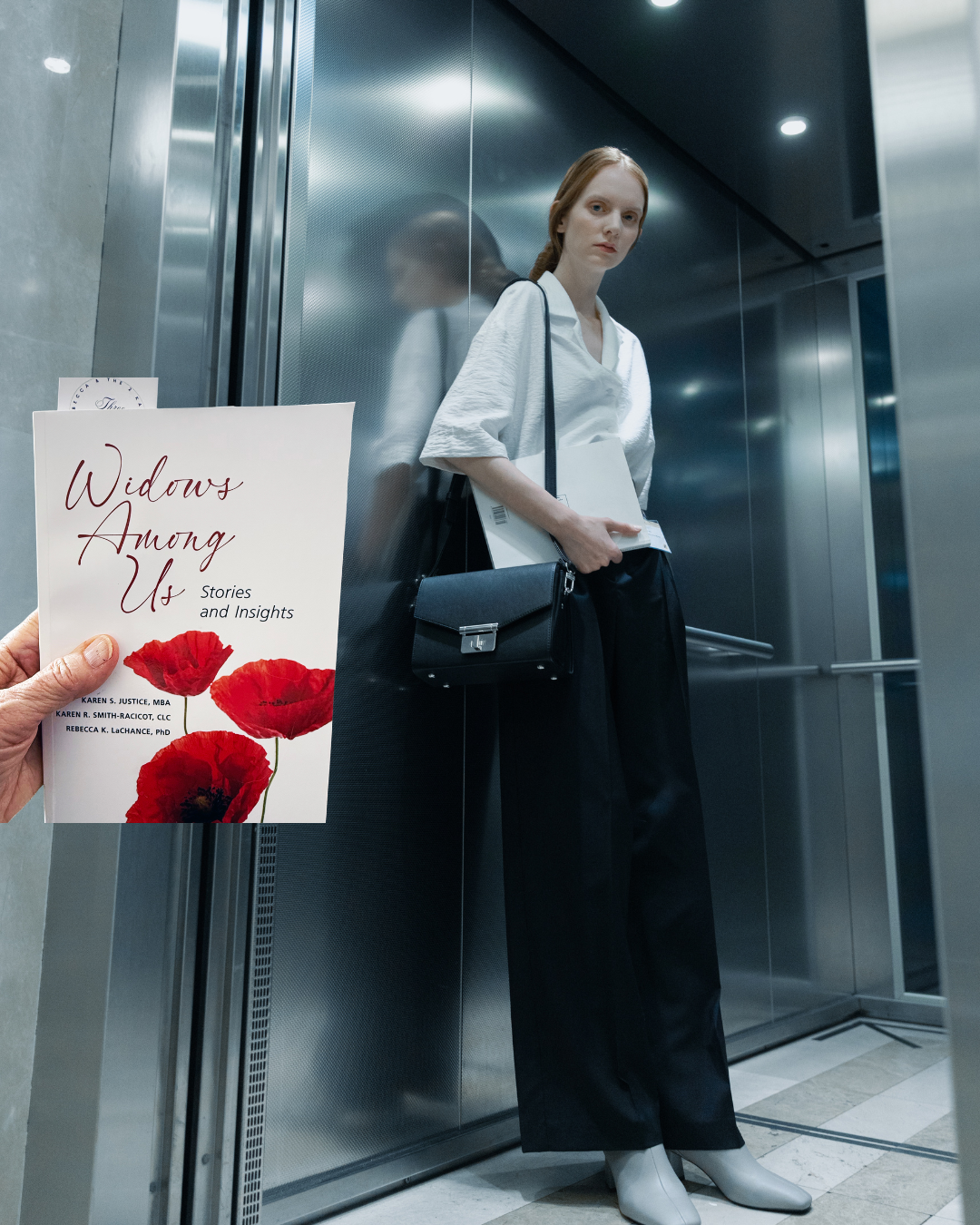
Continuing our theme of widows practicing self-care, Rebecca was in an elevator after leaving an appointment with her cardiologist. She had brought a copy of our book to review the information and pass the time until the doctor arrived. (Everything was hunky-dory, and he suggested she have a milkshake “on me.”)
Rebecca noticed the other passenger staring intently at the book. The woman said she had been a widow since April 27, 2026, and added that she had no desire to join any widows’ groups because she was filled with so much anger over the circumstances of her husband’s death. She felt her anger was too intense for any group, and she didn’t want anyone to try to soothe her, because they didn’t know the circumstances of his death.
The elevator ride down turned into a conversation outside the building about how widows’ groups aren’t what every widow necessarily needs. Indeed, this is a comment we have received from participants in our workshops and presentations. The effectiveness of participation in these groups really depends on the tentpole at the center of the group. Is the tentpole religiously based? Is the group for new widows or longer-term widows? Is the group structured or free-flowing? The point was that whether a widow finds benefit from groups is just as much a matter of how she experiences her grief and her situation—in a way that is uniquely hers. And sometimes, it takes effort and energy to explore enough groups to find the one that may benefit the widow—which can be exhausting and frustrating.
As they finished their conversation, Rebecca offered the woman the book she was carrying. The woman declined the offer, so Rebecca gave her the bookmark with our contact information. As she walked away, she turned back and told Rebecca she had one or two people who could listen to her without judgment. She found their listening helpful.
What are the two major points of this story?
Paying attention to your body signals is important. Making and keeping those health-related appointments are required to live your best life.
And those dear people who could listen to an angry widow are as important to a widow’s self-care as talking with a stranger holding an interesting book in an elevator.
August brings the last of the fiery summer and the beginnings of fall, along with the Full Sturgeon Moon. Did you know the male sturgeon lives for approximately 55 years? The female sturgeon can live for 150 years!
August 4, 2026 Newsletter
Plan and Push
A friend recently shared a story with me that revealed a lot of self-determination toward self-care. To avoid the loneliness that often sets in while living alone, one of her widowed friends would practice “Plan and Push.”
What she meant is she’d Plan activities, get-togethers with friends, classes to attend, etc., and then Pushherself to follow through. She admitted the “push” was the tougher part, but she kept working on the process.
Rather than relying on chance or others to fill our time, we can “Plan and Push” as we create our new futures. Our lives and our futures are worth the effort.
An Act of Love:
I recently attended a Celebration of Life honoring the husband of a dear friend. During the Remembrances, my friend’s daughter said, “My mom asked me to tell you to be sure to have “the talk” with each other. Learn what your partner wants at the end of life. It may be difficult, but it’s an act of love.”
I’ll add that having the tough talk about all aspects of one partner dying is an act of love. Three Widows provides a checklist to help make the conversations easier. You can find the checklists in our Store
Let’s Go See the Movie . . .
I did a lot of talking about our book in July. During one conversation, I gleaned another “friend of a friend” story that’s a great addition to the suggestions in the “How to Help a Widow” section of our book.
You could call your widowed friend and say, “The “ABC” movie just came out, and I’ve heard it’s very good. Would you like to go with me tomorrow or Thursday?”
The wise friend shared that she could accomplish two things: 1) She could get her widowed buddy out of the house for a change of pace, and 2) The movie would both help avoid awkward initial conversations and provide a new conversation topic.
For other ideas, see the free “How to Help A Widow” checklist on our website.
Hmmmmm…
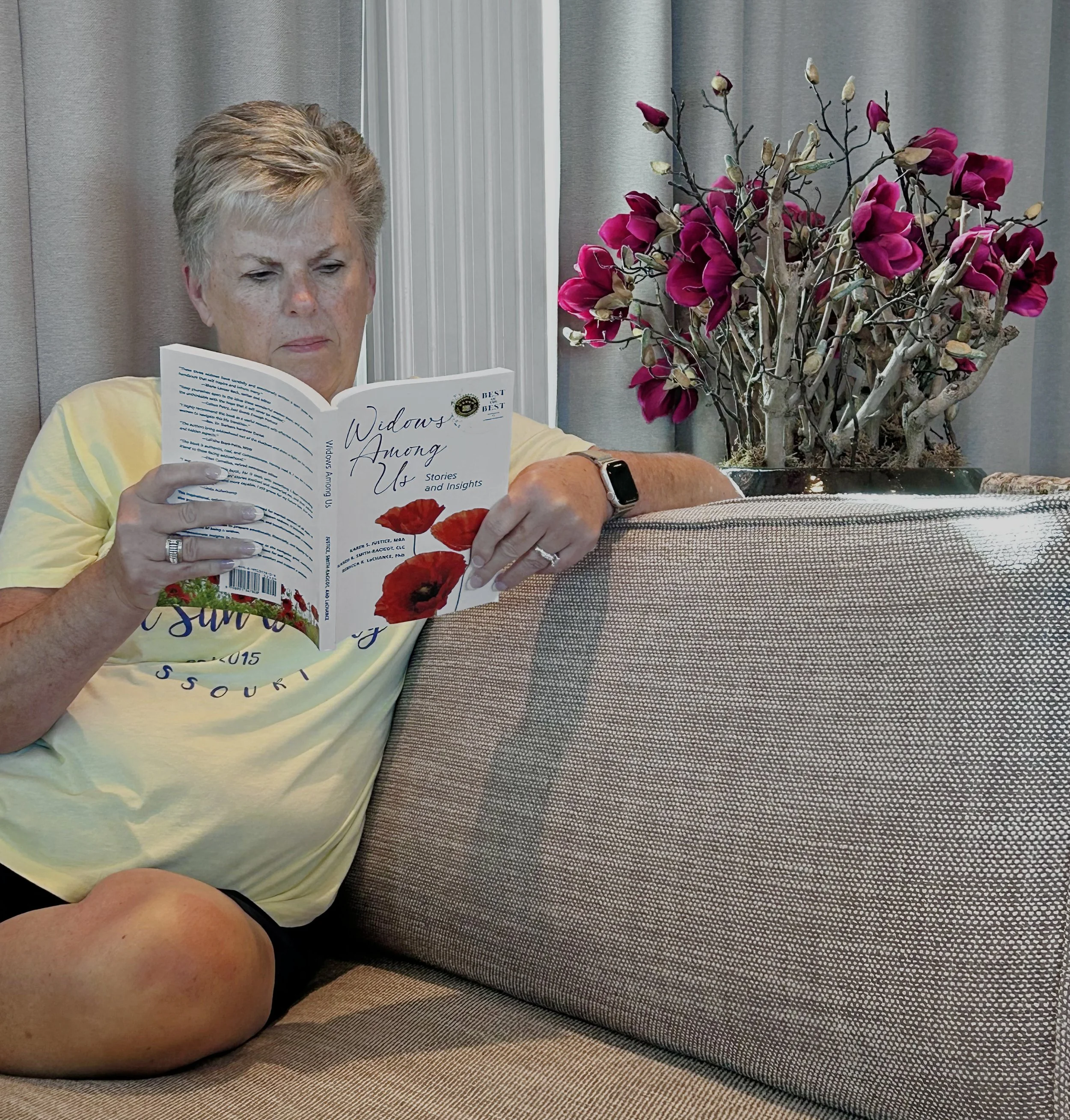
Widows Among Us may make you cry, and it will also make you laugh. The reader in the picture is captured in a lounge, deeply engrossed in our book and apparently worried about something. As she reads further, she’ll find our personal stories of widowhood, suggestions and answers, and ways family and friends can support a widow. The book is full of insights about the experience of widowhood and the need for self-care.
Every family member should read the stories and discover the insights the book contains. Our book shares the lessons we learned that can spare others a lot of future confusion and hardship.
Zooming with your Book Club
Is your book club interested in reading our book? Would you like to talk with the authors about the book? We offer Zoom meetings with book clubs. We even supply the Zoom link. Just drop us a note on our Contact page, and we’ll be happy to plan a book event with you.
Looking for speakers for your next event? Contact us hereto discuss your needs.
Short Karen’s Actions to Help A Widow
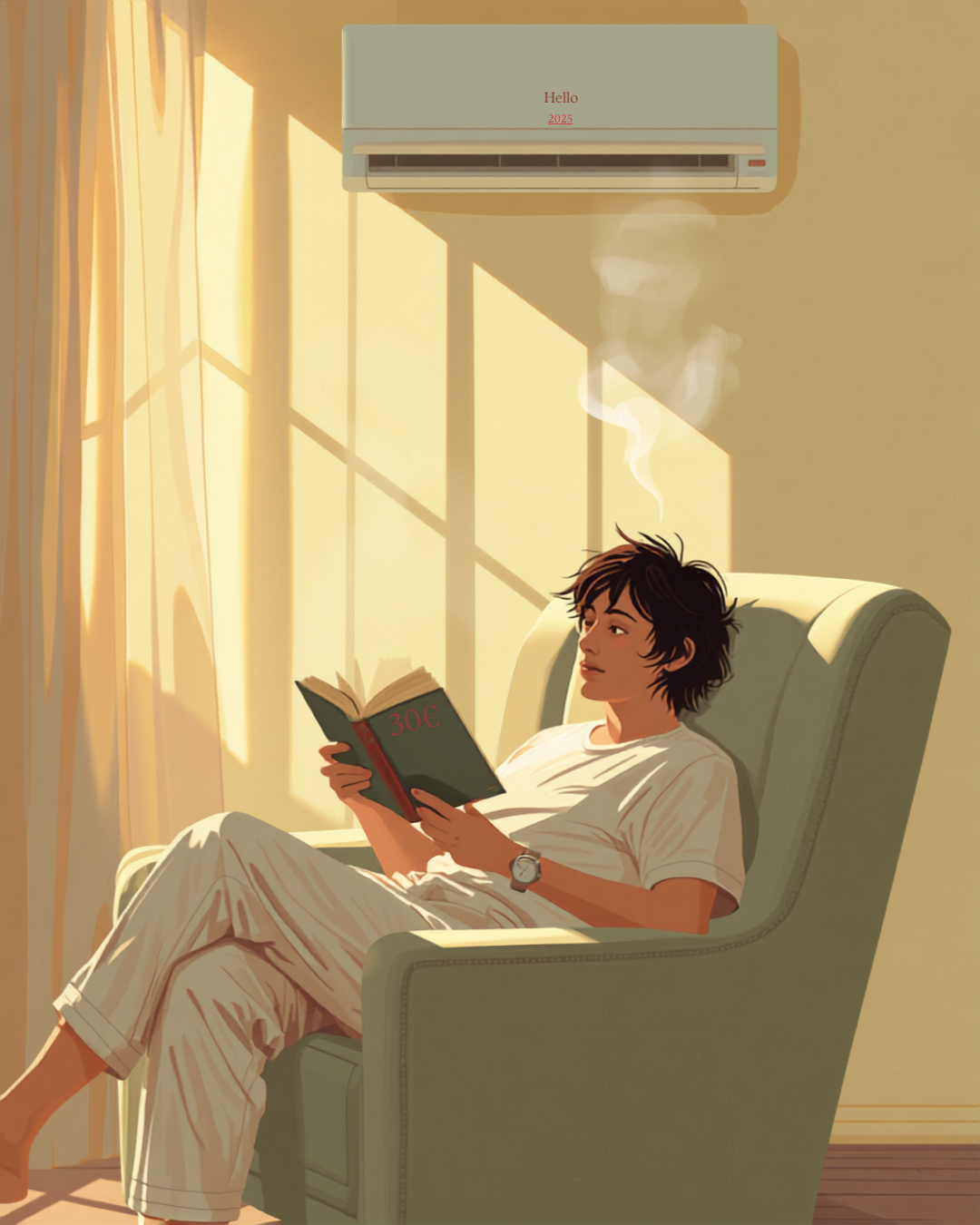
We declare July the Official “Sitting in your cool house and reading books” Month.

July 5, 2026
(It Only Makes Sense that National Ice Cream Day Occurs in July)
Have you wondered what the Three Widows do in their spare time?
Our subscribers and book readers know we are three very different women. The past few weeks have been quite different, too. We all spent them continuing to build our new futures. We’ve learned new skills, created beauty in our homes through new projects, strengthened relationships and built new ones.
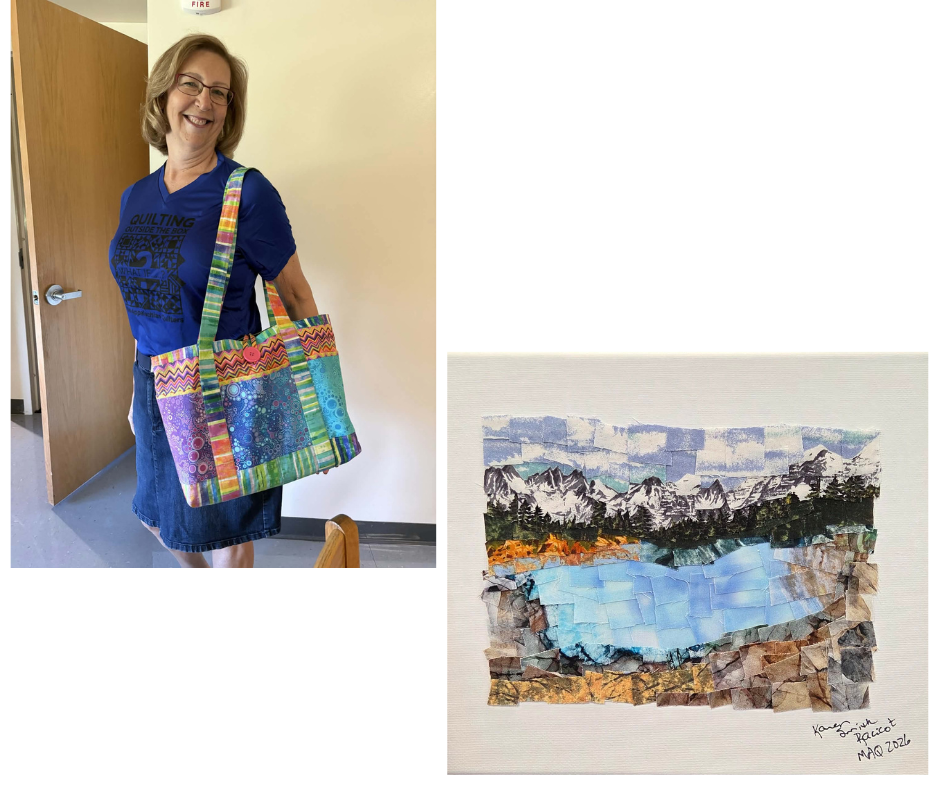
Tall Karen not only attended a quilting conference but was also one of the people in charge. Plus, she’s purchased new equipment to help her take on bigger, better projects.
Tall Karen with the bag she quilted. And because quilting isn’t all about making quilts, she made this mountain lake collage.
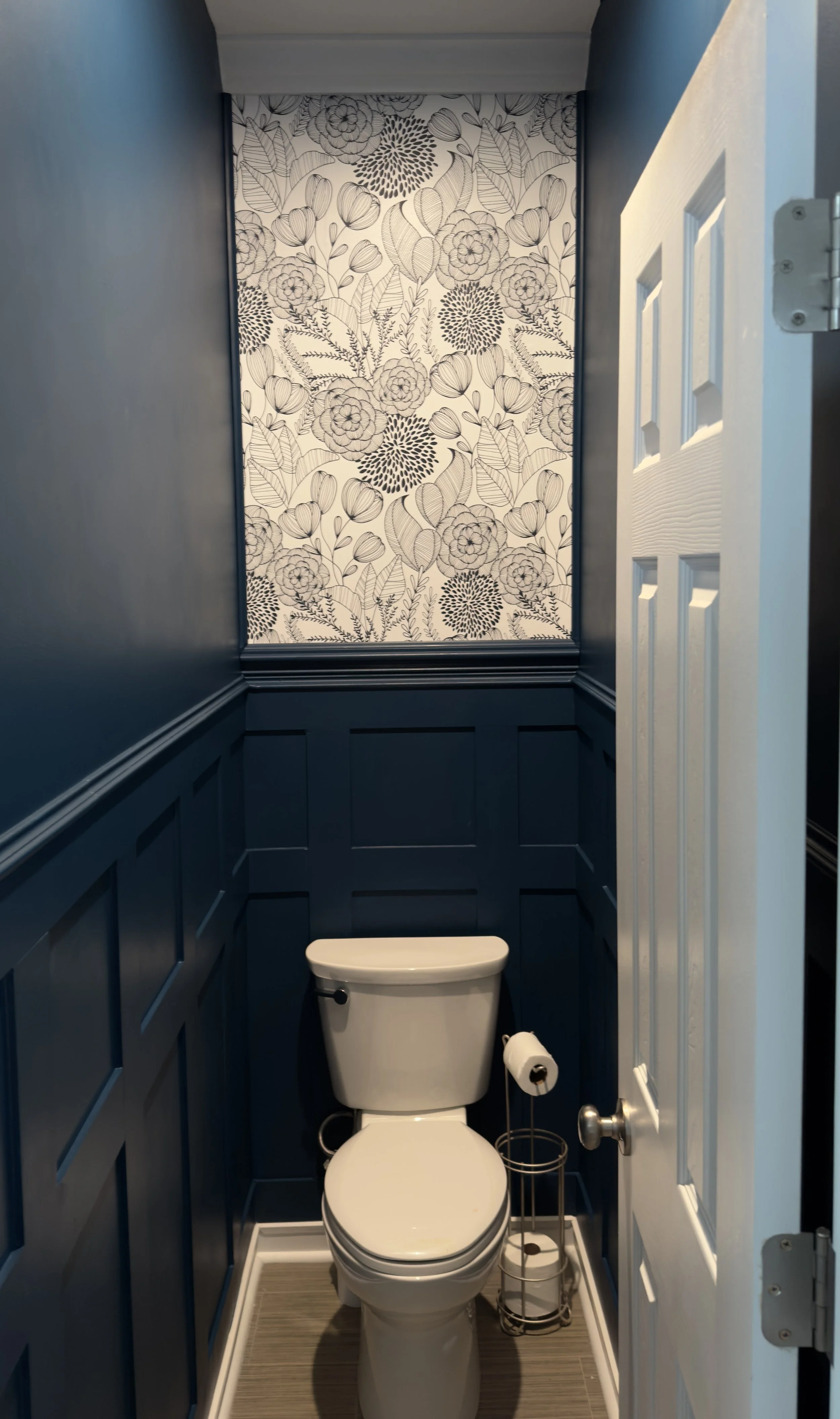
Rebecca has also had an ambitious and creative month. She’s remodeled her bathroom, and when we say “she’s” remodeled, that’s exactly what we mean. Rebecca’s father strongly believed his daughter should be able to do anything, so she’s a whiz with power tools and a paintbrush. Ladders and the wall behind the toilet, however, became a stumbling block. She had to call in temporary reinforcements.
Her brother-in-law took out the toilet so she could reach the high back wall and add quarter-round molding to the baseboards. He replaced it when she was finished.
Here’s a DIY hint: Toilets sit on a sticky wax ring. Cover the original ring with a piece of parchment paper so you don’t step in it or drag your ladder through it.
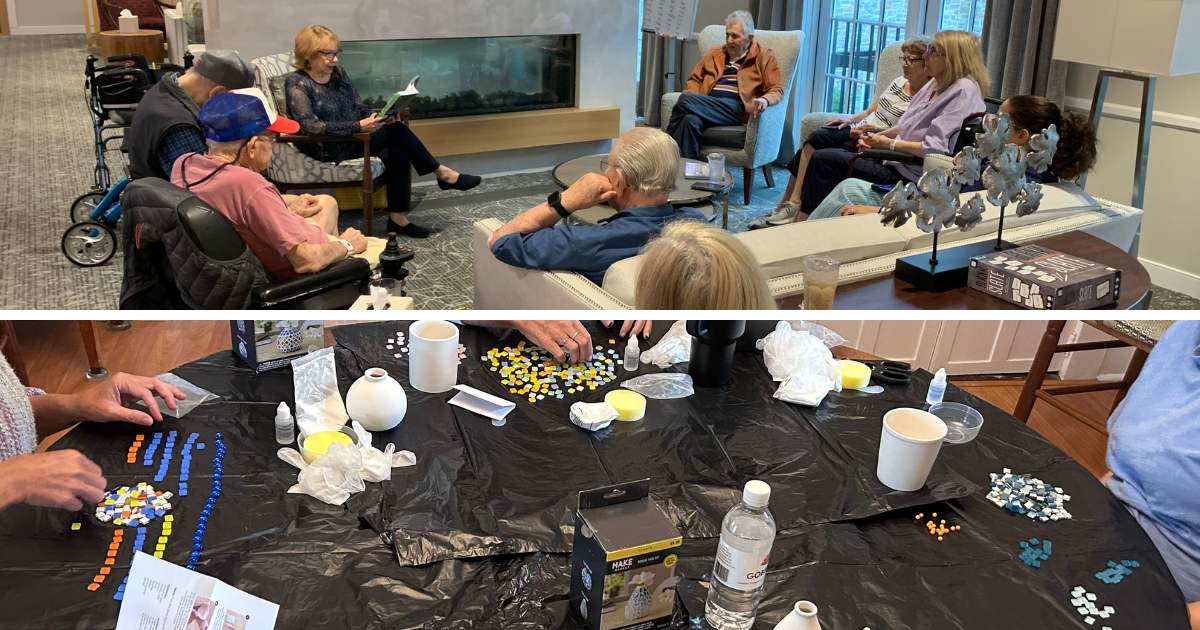
Short Karen has had a month focused on relationships. She spent a few afternoons in senior living facilities reading excerpts from her new book, Life Flows: Poetic Reflections and Pools of Wisdom. She found enjoyment in the smiles her excerpts generated as people related to them and were reminded of things from their past. She also had a fun “Meet in the Middle” weekend with her nieces, where everyone drove to a central location to enjoy games, stories, teasing, frustrating creative projects, and food.
Zooming with your Book Club
Is your book club interested in reading our book? Would you like to talk with the authors about the book? It’s the perfect opportunity to learn about resources dedicated to preparing for, living through, and supporting widows. We offer Zoom meetings with book clubs. We even supply the Zoom link. Just drop us a note on our Contact page, and we’ll be happy to plan a book event with you.
Looking for speakers for your next event? Contact us here to discuss your needs.

Volcanic Islands and the Long Tail of Grief - Part 3
June 1, 2026
How many rabbit holes did Rebecca go down on a volcanic island?
The Silence of the Rabbit Holes
…the answer is too many to count. I probably ended up mentally wandering through the entire warren. I found myself detached and deep in my head. I was so deep that at one point, Short Karen asked me if I was okay because I wasn’t talking—and my eyes held a gaze that said—“Rebecca’s not available. Try again later.”
I knew I was tired, but didn’t realize I was exhausted. The first four days were a blur of rain, cold, and near-hurricane-force winds. My brain surrendered to the blur. Plus, I was reading a book that irritated me because the author could not make his thesis points align. And my brain settled deeply into the rabbit hole of making sense of this book.
Here’s some background to the rest of Rebecca’s story.
The Azores Islands were formed by volcanic activity millions to thousands of years ago. The most recent eruption occurred on the island of Faial from September 27, 1957, to October 28, 1958. This eruption was among the first volcanic eruptions to be documented on video and in photographs.
Entire villages were destroyed, with roofs caving in under the weight of ash, sand, and enormous volcanic rocks. The lighthouse that stood on the coast now sits inland, with its first story buried under ash, sand, and rocks. The fishing village on the coast was completely buried under ash and sand. It’s only now, sixty-eight years later, that the red-tiled roofs of buried houses are beginning to peek through as erosion of the volcanic remnants continues. The mind-blowing realization was that the ash and other debris had to be at least twenty to twenty-five feet deep to bury an entire village of houses.
As it is in nature, it is in humans
I spent a great deal of our time in the Azores, lost in the many rabbit holes in my mind. My thoughts would travel down the path of awe at the size of the lava chunks used as breakwaters along the piers, and at how everywhere I looked were glistening black chunks, stones in the road, stones in the sidewalks, stones in the walls of houses, massive black spears agitating the windblown ocean waves, colossal cliffs beaten by the winds. Each item was a reminder of the powers on the ocean floor that belched a heated fusion of destruction and expansion.
The dense fog that rolled up to the highest points of old volcanoes filled my thoughts. I stood on the edge of a cliff, looking down into a valley that ended at the sea. I watched the fog roll up the cliff, and I backed away from the edge. I blinked; when I opened my eyes, I could see nothing! Nothing but thick fog. It was enough to scare me back to a memory of the 1980 movie The Fog.
And yet the undulating mountain tops slid down into valleys so deep they folded and overlapped. It was hard to see where the valleys ended, veiled in the most beautiful shades of green. There was a beauty that was breathtaking—if I chose to see and appreciate it. This rabbit hole was about accepting and appreciating the beauty of that moment.
The horde of rabbits in my mind started hopping, circling, and thumping with excitement. I had made a connection. I made the connection between the islands and the book. I made the connection the author did not make.
The absolute power of what appears to be destruction (or loss) to build something else is a concept difficult to grasp, whether in nature or in life. I linked what happens in the natural world to what happens in human lives. The secret—and the power of that secret—is to choose to see it, to allow myself to learn from it.
There is a pattern that points to an undeniable process. The creation of an island is explosive destruction, followed by hundreds or thousands of years of shifting and erosion, and the gradual emergence of new flora pushing through to beauty.
In the sacred story of human life, it is loss, the stress of working through a sense of brokenness, putting ourselves back together, and returning with compassion and wisdom. Our story of loss is not transactional but transformative. Moments of crisis are life’s initiations. Those moments are our greatest teachers. They force us to step beyond the familiar, encounter the transcendent as we walk through grief, and return with a better understanding.
I understand that I have the choice to either lean into beauty or attempt to shift away from the loss by deflecting. I choose to lean into beauty—a response to a movement of the heart—a blessing. I can surrender to the loving attention—the mercy—that will carry me through to finding my Self again.
And that process needs contemplative spaciousness. It needs space and quiet around it to expand and flourish. It calls out for mercy for ourselves and for our healing. It may even need a horde of rabbits dancing in our minds.
Volcanic Islands and the Long Tail of Grief - Part 2
May 4, 2026
What did falling to her knees in the street do for Short Karen?
The April Newsletter opened with Part 1 of our three-part series about our experiences during what was supposed to be a vacation for the three of us. Much to our surprise, we all came away with some deep thoughts and incentives for new areas of personal growth. You can find the April Newsletter with Tall Karen’s story below.
What Short Karen Learned about herself in the Azores
After baring our souls to each other in writing Widows Among Us, Rebecca, Tall Karen, and I have become very open and honest with each other. Truth has become an expected part of our conversations. Tactful poking, prodding, digging, and insightful suggestions add value to our relationship, even when we’re on a vacation.
When others poke, prod, and suggest, it’s important for me to listen, evaluate, and be willing to accept what I hear. It’s equally important to listen to my inner voice, even when it also says things I don’t want to hear or accept. My inner voice started talking the day we arrived on the island of Terceira in the Azores.
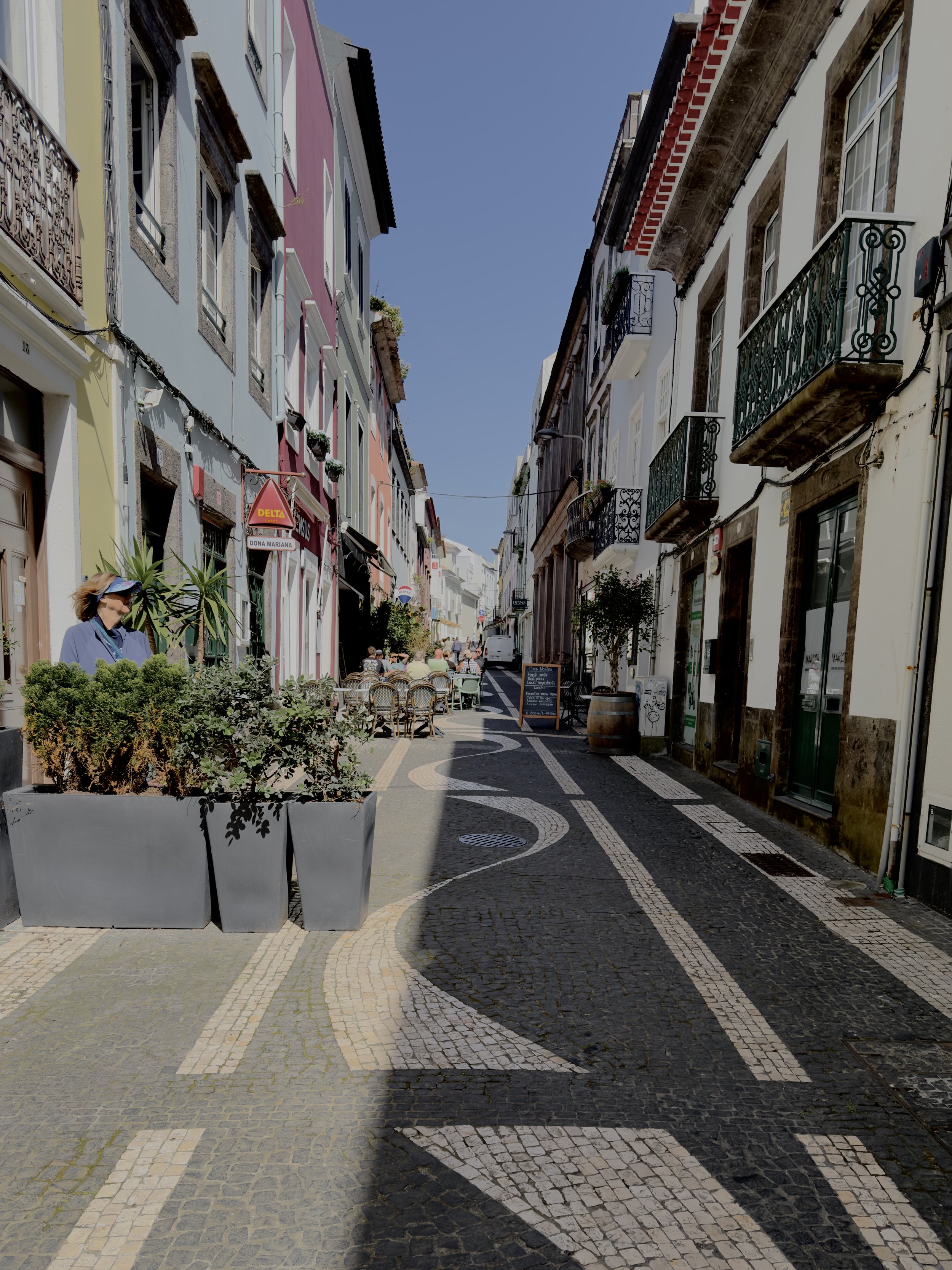
Angra do Heroismo is an old European port city, and therefore, it has cobblestones. On our way through town for our first lunch, I tripped on one of those cobblestones and fell—right in the middle of the street!
“You know you’re supposed to pick up your feet, Karen,” my inner voice scolded. “Quit dragging your toes!”
“Don’t start your vacation this way again,” Rebecca admonished as she helped me up. “Please, be careful,” Tall Karen added.
“And while you’re at it,” my inner voice continued, “quit looking like a vulture. Hold your shoulders back!”
As I listened to my mind’s rebuke about posture, I was reminded of a friend who always says, “Tits up, ladies!” right before photos are taken. When you do that, it always moves your shoulders back. I spent the rest of my time in the Azores reminding myself, “TUTU, Karen, TUTU.” (Toes Up. Tits Up). It kept me safer and improved my posture.
As one day’s discussion led to another, I slowly became introspective. I realized sitting with my laptop for nearly three years writing books had taken a toll on my body’s muscle control, posture, and balance.
The fall had disturbed me. Merely a year ago, my dream trip was cut short because I fell off a curb in Turkmenistan, sprained my ankle, and broke a bone in my foot. That’s what Rebecca was referring to when she used the word “again.”
The instability that caused my fall continued for the first few days of the trip. My inner voice reminded me of two common sayings: “Use it or lose it” and “How you spend your days is how you’ll spend your life.” I haven’t been “using it,” and I’ve spent my days sitting.
I need to make some changes and focus on my fitness. I am not great with routines, and my self-discipline needs a bit of discipline. Yet, I promised myself I’d focus on what I learned after falling on the first day of two vacations.
As for the travel experience, I was surprised and delighted to hear Genuino Madruga talk about being the first Portuguese to sail solo around the world. He did it twice after age 50! I was amazed by the size and diversity of the 1957 lava flow. I was impressed by the settlers' creative solution to build walls with the lava rocks they cleared from the fields for planting grapevines and orange trees, especially since the rocks were rough and sharp. I found the resilience of the residents of São Jorge Island’s small coastal fajãs equally impressive. (Fajãs are flat, fertile areas created by a lava flow or landslide at the foot of towering coastal cliffs.) The history and people of the Azores are fascinating.
Personally, I was surprised and not so delighted when, away from the hustle and bustle of my usual life, I became consciously aware of how hectic and heavy my life has been over the past year or two. On this trip, I wasn’t responsible for any of the coordination or connections. I let myself slow down, which is difficult and unusual for me. It’s not my comfort zone.
I truly enjoy a busy schedule and multitasking, but I realized I also need to make room for retreat and introspection. I could count on one hand the times I’ve done that in my life. My small accomplishments during those two weeks were avoiding the news as much as I could, jotting down things I wanted or needed to attend to as they crossed my mind, then deliberately letting them go.
I listened to others more carefully during those two weeks. Yet, listening requires good hearing, and my travel companions frequently told me I need hearing aids. I listened and evaluated. This month, I complete one more trip around the sun. Listening for many decades has apparently been tough on my ears' internal components. Perhaps, they wore out and need electronic helpers.
When our trip started, I hadn’t anticipated anything more than a great time with two women I enjoy being with. We had a great time, but I also came home with some big lessons. I like to teach, mentor, volunteer, and help others, but I need to focus on self-care. Beyond taking time to enjoy friends, travel, or get a massage, I need to take care of the body I’m living in. As much as I want to sweep aging to the side, my bones and muscles, and evidently my ears, are demonstrating that I’ve been ignoring them for too many decades.
Not only do I need to improve my physical balance, I also need to make different choices about how I balance my life. My shoulders and my mental posture needed correction. I recognize that retreat and restoration are essential.
Before we flew home, I’d made an appointment for a hearing test and convinced Tall Karen to sign up for Silver Sneakers with me. As the English proverb says, “It is better to begin in the evening than not at all.”
Takeaways
Don’t automatically dismiss suggestions and advice from your friends. It’s important to listen, evaluate, and be willing to accept what you hear.
Give your inner voice some credit. Sometimes its message is right—consider it a guru. When it makes you doubt yourself, it’s just the gremlin inside. Being truthful with ourselves is important.
Make room for retreat and introspection. Take time to restore and re-create.
Be mindful of how you use your body and mind. Care for them like the precious finite resources they are.
I frequently tell others, “The choices you make create or eliminate your future possibilities.” I need to listen to my own advice.
TUTU!
Nature is the Ultimate in Self-Care
Five ways Nature Can Help Heal
1. Reduced stress and anxiety. Numerous studies have shown that spending time in nature lowers cortisol, the stress hormone. Cortisol rises in the early stages of grief and affects the brain. Natural stress reduction helps lessen anxiety, making it easier to process difficult emotions and begin healing.
2. Use your senses. Fresh air, the scents of pine trees and flowers, and the sounds of birds can be profoundly comforting. The sounds, smells, and images of nature offer a gentle, effective form of sensory therapy.
3. Connection and Perspective. Nature has a wonderful way of connecting us to something bigger than ourselves. When we pay attention to the natural world, it can bring a gentle sense of peace and understanding to our hearts.
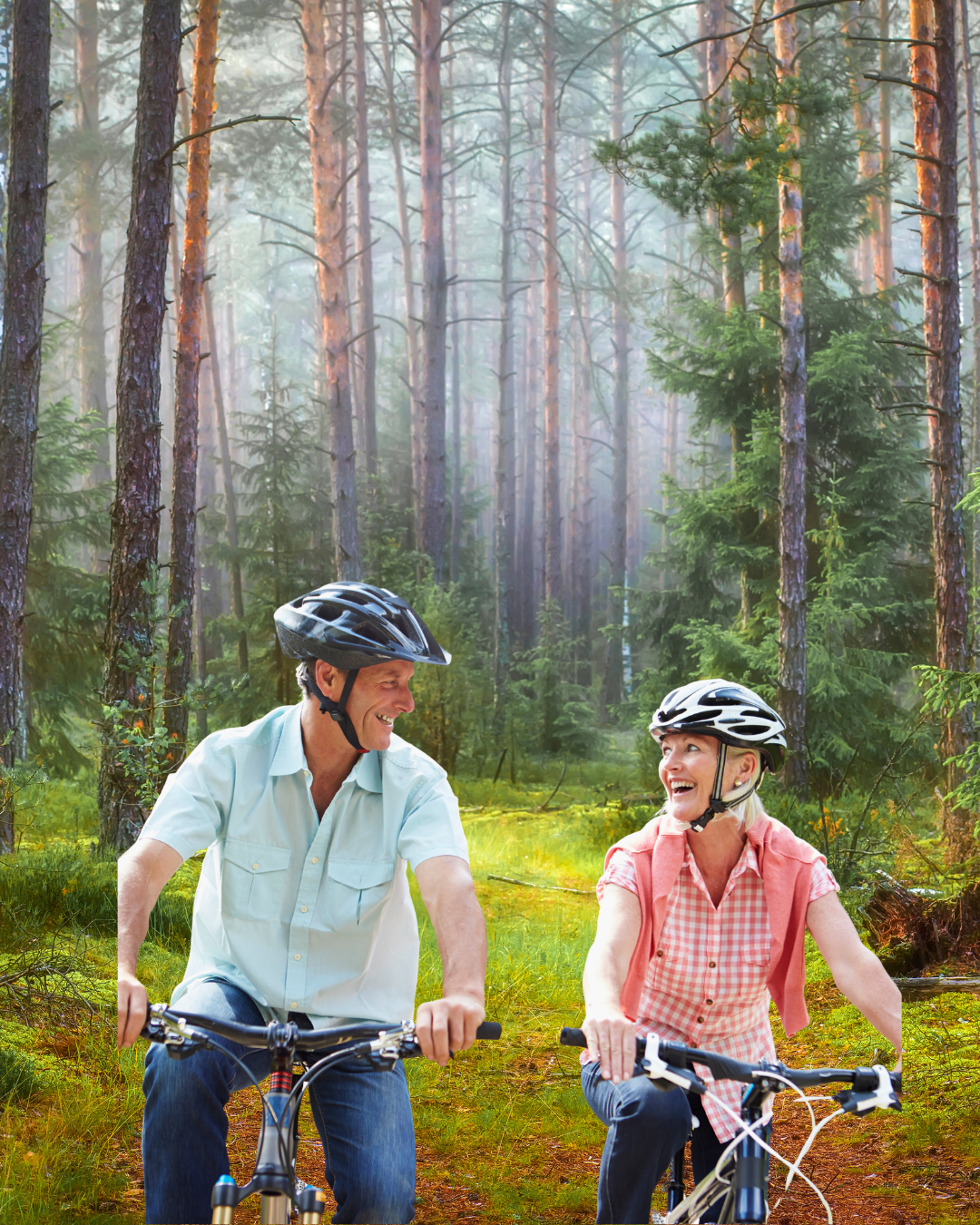
4. Physical activity. Being outdoors and engaging in activities such as hiking, walking, or gardening boosts endorphins, the body’s natural painkillers. These activities not only improve physical health but also uplift mood.
5. Enhances mindfulness. Nature encourages us to be present. The beauty of a forest, the sound of waves, or the sight of a sunrise naturally draws your attention away from the past and future, guiding you into the present moment. This mindfulness can provide relief from the constant replay of memories and worries that often accompany grief.
(adapted from the Grief and Loss Toolkit)
Decorative cobblestone streets lend a welcoming touch to the towns—until you trip over them. (c) 2026, Rebecca LaChance
Volcanic Islands and the Long Tail of Grief
- Part 1
April 18, 2026
Short Karen suggested the three of us get back to traveling for fun instead of the business of our book. We chose the Azores Islands—easy to travel to, inexpensive, and with a European flavor. We received more value than we anticipated. We discovered more about ourselves and each other, much like our visit to the Moroccan hammam described in our book’s introduction.
The self-discoveries tend to be long, so we’ve opted to present our stories in three parts. We start the series with Tall Karen’s story.
Tall Karen’s Story
Exploring Grief Through Productive Down Time
In my late 40s, I survived my father's death and then, just six months later, the death of my husband, Sam. The profound grief left me spiraling emotionally downward, a state I struggled to escape when I was alone. Yet the outside world thought I was holding my own and moving forward. While becoming the new person I described in our book, I was too busy creating a new life and trying to ignore the aspects of grief to deal with them. The reality was, I was trying to keep my head above water. Recently, I understood how I had ignored my grief.
There have been multiple deaths over the past six months in our family, including two that are very close to my heart – Sam’s brother Todd, and his mom, Nancy. I remained close with both of them after Sam’s death, and Nancy and Todd easily incorporated Bob (my second husband) into their family. This time, grief has hit me in a very different way.
Nancy’s health had been declining over the past few years, but Todd was always there to take care of her and brighten her day with his wry sense of humor and loud, boisterous personality. When he was killed last November, he left a gaping hole in our lives, especially Nancy’s. What I didn’t realize was the way that grief affected me, and even more so after Nancy’s death last month. My girls and I have lost the last living connections of Sam’s family —a finality that has outweighed my ability to manage it.
While I recognized that I was grieving, I did not realize how all-encompassing it was becoming after Todd’s death. The unfairness of Todd’s death created an additional dimension of sorrow. A part of me chalked it up to the fact that I never took time to process Sam’s death, as I was busy running a business and trying to survive emotionally. I felt that I might have to deal with these emotions now, but as usual, I’m good at denying them and finding things to do so I don’t have to ‘feel’ too deeply.
My grief became deeper after Nancy’s death last month. My days were filled with sadness. I could not find joy in anything. I would wander around the house trying to decide what to do, but nothing interested me. I frequently lost my patience and was triggered by so many things that would normally be a slight annoyance. I didn’t realize how deeply grief was affecting me, especially after Nancy’s death.
When Nancy had a stroke in late Feb, I selfishly wished that her illness would not affect my sixteen- day trip planned with Karen and Rebecca. Although I wasn’t too excited about the trip—which is unusual for me—I knew it was a break I needed. What I didn’t realize is how much I needed that break!
Nancy did pass the week before I left, but for various reasons, the girls decided to wait until mid-April for the service, well after I came home. So, off to the Azores I went, hoping just to relax and get away from everything. Who knew that it was exactly what I needed?
I knew there would be downtime in our days, and normally, I take something to do – hand sewing, coloring, books, etc. This time, I had only my Kindle to play games and a book about trauma and grieving. I did not have the energy to think about anything else. Which turned out to be a blessing! The very first evening, I was telling Rebecca and Karen about how I’d been feeling with my depression-like symptoms. Their listening, wise questions, and conversation sparked my need to start journaling again (I used to do it all the time, but hadn’t in years). The next day, I bought a journal and had it almost completely filled by the time we left!
Journaling allowed me to recognize the trauma I’ve been experiencing, and get my thoughts and feelings down in coherent words that I could now begin to understand and heal. Karen and Rebecca’s periodic questions and check-ins with me were helpful in summarizing what I’d been writing about and beginning to recognize solutions, the most important of which is mindfulness: Be mindful of how I’m feeling at any given moment, especially if I am triggered or feeling down. To think about what I’m feeling, breathe deeply, give it 90 seconds to let it flow through me, and release it.
The two of them were especially good at listening to me talk for long periods about things I thought I had to do. And they were not hesitant to call me out by saying, “Now that you’ve spent all that time and energy deflecting, answer the original question.” Not surprisingly, the original question was about my feelings and emotions.
Since I’m home and back in the ‘real world’, I’m doing my best to be mindful of how I’m feeling and to continue journaling. I’ve begun the practice of “morning pages,” handwriting three pages first thing in the morning to get uncensored thoughts down on paper. The practice is meant to ultimately foster creativity and clarity. I’m also considering the option of seeking a professional to help with past trauma and my grief.
The feeling of loss that is associated with grief will likely never go away completely. Learning to accept grief and mindfully deal with my emotions is a key factor in living a full life. For me, taking a periodic break with the opportunity of substantial downtime is an important aspect of my ongoing healing and living that full life.
Takeaways from Tall Karen’s story.
Grief remains with us. It’s intensity will vary based on our experiences.
There’s a reason the healing of grief is called “work.” It requires acknowledging its presence and choosing to move through it. We must stay in conversation with our grief to learn what it has to teach us and enrich our daily lives.
Friends who understand your experience are valuable for healing.
Travel that takes you out of your daily routine, whether it’s around the world or your local coffee shop, is a good way to step away from life’s pressures; allow yourself time to breathe and sit with your thoughts and feelings.
Short Karen shares her revelations next month. And don’t worry, those volcanic islands play a role in Rebecca’s story.
Dating with Intention
March 2, 2026
Understanding what kind of relationship you want is crucial when considering new love after widowhood. Here are some questions to help you clarify your intentions:
- Do you want to remarry? Tall Karen realized she liked being married, so she worked to find a marriage partner.
- Are you seeking a companion for dinners and travel? Short Karen did not want to remarry but wanted someone who was a stimulating thinker who would share activities with her.
- Or are you looking for a partner who still enjoys physical intimacy? This was a very strong desire from several women we talked with during our February speaking tour.
While there are many options for new relationships, many participants in our February presentations struggled to articulate what they truly wanted. If a widow (or widower) isn’t clear about the type of partner they seek, they may end up with fewer beneficial choices of a potential partner. To help define your relationship goals, consider these questions:
- What emotions arise when you think about developing a close relationship? (Do you feel excitement, dread, or something else?)
- How much energy are you willing to invest in building a new relationship?
Our first recommendation is to be honest with yourself about what you want in a partner. It’s equally important to reflect on what kind of partner you aspire to be. Since relationships are formed, not found, consider the self-work you are willing to undertake.
Second, make a list of the characteristics and behaviors that matter to you. For instance, does it matter if your partner matches you in intellectual ability and curiosity? How important are ethical and political standards that align with yours? Should they enjoy activities that align with your lifestyle, like dancing, hiking, traveling, or singing? What importance do you place on financial status? When Short Karen met with one of her Match.com contacts, he told her he didn’t want to be anyone’s Sugar Daddy. Many women have told us they do not want to be “a nurse or a purse.” (Read our January Blogpost about how one woman used the FICO Score as her measurement of financial compatibility.)
Third, communicate with your circle of friends about your interest in finding a partner and the qualities you’re looking for. If you don’t have friends with suggestions of possible dating partners, think about the activities you enjoy—such as art, learning, travel, cooking, food, opera, or church events. Engaging in these activities increases the likelihood of meeting someone who shares your interests.
Fourth, it’s crucial to express your needs clearly to any potential partner as soon as possible. While this honesty can be intimidating, being upfront about your intentions can help you avoid people who may be looking for someone to care for them rather than form a true partnership.
Dating with intention means mindfully choosing your partners. When you are clear about your needs, you can steer clear of those who aren’t the right fit. This clarity allows you to walk away from situations that don’t align with your goals and try again if you choose.
If I Had My Druthers
My father often said, “If I had my druthers,” when he wanted to express a wish for a different choice or outcome. My father’s frequent phrase came back to me yesterday when someone told me she shared our book with a friend who recently lost her spouse.
“If I had my druthers,” I would have preferred for her to have read Widows Among Usbefore facing widowhood. It’s so important to take proactive steps before unforeseen events occur; it’s much like closing the barn door before the horse escapes! By ensuring that couples and their families document essential information about legal and financial accounts, they can significantly lessen the challenges and burdens that come with losing a partner.
Our book is a valuable resource! It comprehensively addresses the many facets of widowhood. The chapter titled “You, the Widow Among Us,” offers crucial insights for anyone who has recently experienced this loss, while Part Four, “How to Help a Widow,” provides useful advice for friends and family eager to lend support.
Yet, I truly wish everyone could delve into the second part, “Mamas, Teach Your Daughters to be Widows.” It emphasizes the importance of equipping family members with the knowledge to alleviate the stress and time-consuming challenges that arise when essential information isn’t organized or easy to access during a crisis.
So here’s my heartfelt “druther”: please consider gifting our book to friends navigating any aspect of widowhood. Even more importantly, encourage your loved ones of all ages to read it as a preventive measure. Remember, the average age for women to become widows is 59.4 years, and that's just an average! If I had my druthers, I would want even your youngest adult friends, your sons, and your daughters to benefit from this wisdom. Let’s empower ourselves and others to face the unexpected with confidence and support! And I’d “druther” that support be sooner rather than later.
-Short Karen

How to advocate for your health
February 2o26
Sometimes, it’s simply unexplainable how topics come together. Another topic was selected for this month’s post, yet at the last minute, we decided to change it to health care advocacy.
After both Karens read it, Short Karen spoke about her “Discovery Night Group” who had met the night before. One of their topics that organically entered the conversation was “women don’t talk about how to be your own advocate.” That was synchronicity #1.
Synchronicity #2 was watching The Pitt (tv show on HBOMax) and seeing the last scene where a young woman presents to the ER with swelling in her leg exceeding the Sharpie line.
So, we’ve agreed that someone out there needs to read this information! This post is for you.
* * * * *
Did you know that it has been just thirty-three years since the National Institutes of Health (NIH) and the Food and Drug Administration (FDA) mandated the inclusion of women in government-funded health studies? This pivotal change also requires that data be analyzed to reflect gender differences in both efficacy and outcomes. It’s heartening to see such progress, but we still have a way to go!
Women’s healthcare has seen improvements, yet remnants of outdated cultural beliefs, like the notion that “women are too hormonal,” can still undermine our health journeys. These misconceptions affect various aspects of healthcare, contributing to delays in diagnosing conditions like endometriosis and impacting how pain, mental health, and cardiovascular issues are managed.
Additionally, ageism is another hurdle that many women face when seeking appropriate medical care. Symptoms related to pain, disability, headaches, and heart disease are often brushed aside with comments like, “You’re getting older; you just have to live with it.” We know this isn’t true!
Here are some strategies to help empower you on your health journey that have worked for me in advocating for myself within the medical community. I hope you find them as helpful as I have! (Be prepared for TMI!)
**Document Your Symptoms:** Start by using a calendar or a journal to track your symptoms over time. Be descriptive and include any relevant measurements. Providing data to your healthcare providers can significantly enhance their responsiveness, as many are more inclined to act on concrete numbers than on narrative descriptions. That’s a nice way of saying they respond to DATA.
**Example 1:** When I first entered perimenopause, I noticed extremely heavy menstrual flows that lasted twenty-eight out of thirty days! To illustrate this to my doctor, I meticulously recorded everything on a daily calendar—from the number of tampons I used to details about any clotting, pain, or nausea. When I shared this clear data with my physician, he exclaimed, “Oh, I wish everyone would do this!” As a result, I was able to receive a swift diagnosis and start appropriate treatment.
**Example 2:** Following the death of my husband, I began experiencing a prolonged cardiac arrhythmia. Unfortunately, two cardiologists misdiagnosed me, attributing it to my age alone. Determined to advocate for myself, I bought an Apple Watch to monitor when these episodes occurred. While it's important to remember that the EKG from the watch isn’t definitive, it does provide useful information about the frequency, elevated heart rate, and duration of my episodes. Armed with months of data, I approached a new cardiologist who was then able to properly diagnose and treat my heart issue in just weeks.
**A Sharpie Can Be Your Best Friend:** Something strange showing up on your body? Circle it with a Sharpie and write the date on it. A Sharpie is the best way to mark bruising or swelling/inflammation. If you develop a bruise after an injury, circle the initial bruise. If the bruising continues and expands, circle each new edge of bruising and write the date/time next to it. The Sharpie works just as well on swelling that keeps increasing. Literally, in some cases those Sharpie marks can save your life or limb. Again, the Sharpie marks are visual data which beat a verbal narrative every time. (Watch Season 2, Episode 3 of The Pitt to see the Sharpie line in action. Yes, it’s a dramatization yet it dramatizes a real life situation.)
**Example 3:** I recently managed to “pop” a femoral hernia. I don’t know how, but that thing just showed up one day. Prior to my visit with the surgeon, I circled the hernia with the Sharpie. He saw it immediately and scheduled surgery. I even circled the hernia the day of my surgery. It was one more way to make sure the surgery occurred on the correct side of my body.
**Take Notes and Ask Questions:** Don't shy away from asking questions during your appointments! You are your own best advocate - use your voice!Discuss all treatment options and, and remember: you aren’t obligated to accept the first suggestions. It is crucial to inquire about potential side effects alongside the risks and benefits of each option. Knowledge is power!
**Bring a Friend for Support:** Consider taking someone with you to your appointments. Having a companion can help you take notes and ask questions that might slip your mind in the moment. Personally, due to my hearing impairment, it was incredibly helpful to have my sister join me at appointments where I struggled to understand my new cardiologist’s accent—she helped bridge that gap!
**Seek a Second Opinion If You Need One:** Never hesitate to ask for a second opinion if something doesn’t feel quite right. Your health is your priority, and seeking additional perspectives is an important step toward ensuring you get the best possible care.
In every step of your healthcare journey, remember that you deserve to be heard and understood. Let’s move forward together, advocating for our own health and the health of other women. We have the power to make a positive change!
-Rebecca
We’re Not Alone
January 10, 2026
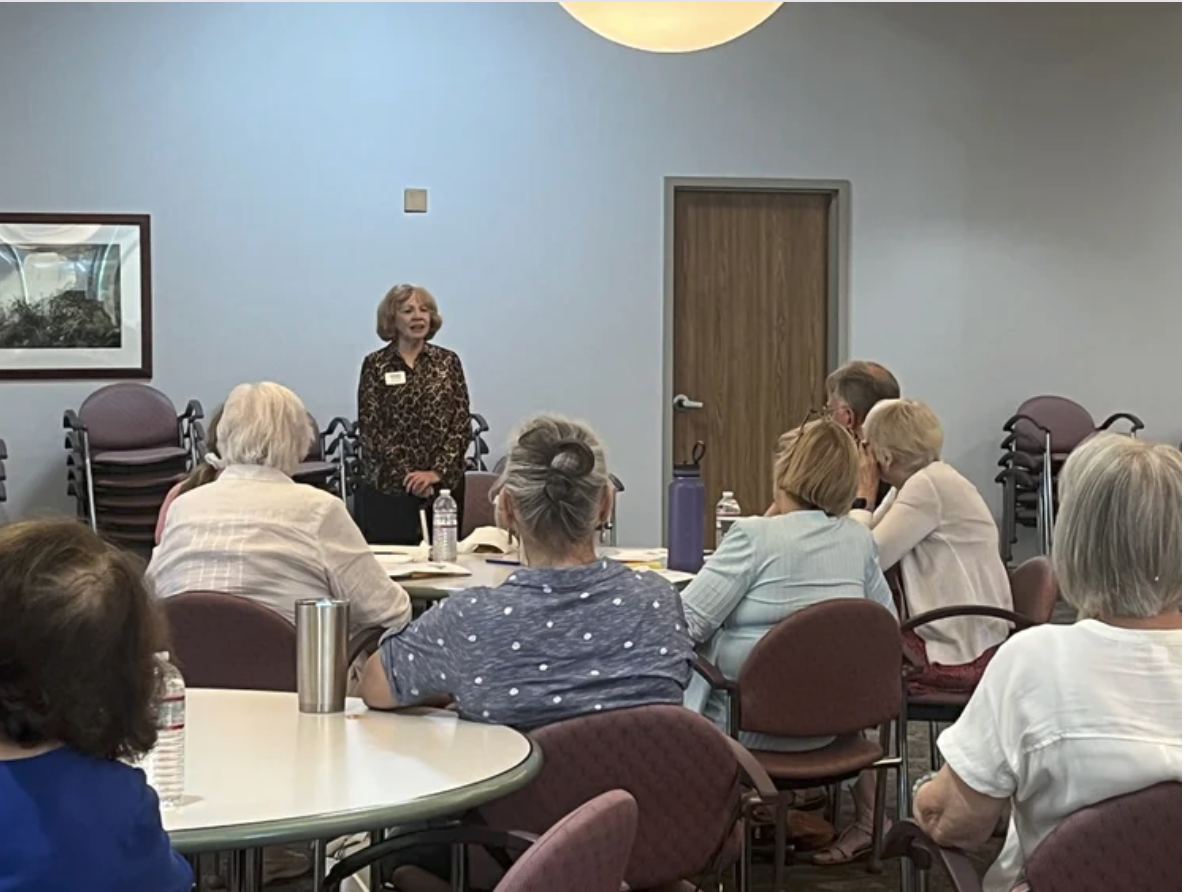
The Three Widows started 2026 on a high note. Rebecca presented our first speaking engagement of the new year. The topic was “Finding Love the 2nd Time: Conversations About Widowhood.” What truly stood out was the extraordinary way the audience connected and uplifted one another. They shared valuable information, and one story resonated with laughter, acknowledgment, and absolute truth.
To set the scene, one woman asked how to find a legitimate partner who wasn’t out to scam a widow. At this point, another woman shared her friend’s experience.
The friend was standing in line at the bank. A man was in the line behind her.
Man: “You’re pretty attractive. I think I could date you. Do you want to go out for dinner tomorrow?
Friend: turning around, “What’s your FICO score?”
Man: stammering, “I don’t know.”
Friend: “If you don’t know your FICO score, I won’t be wasting any of my time with you.”
Howls of laughter followed. What a brilliant response! Not only did she vet the man as a potential date, but she also left no doubt there would be no further interaction.
A second idea for vetting a potential date was to ask about his (or her) political beliefs. Are those beliefs compatible with your own?
Other suggestions included joining groups at the library or church, volunteering, and taking classes through Adult Learning Institutes.
The stories and suggestions shared by the women highlight that when we come together, we’re not alone in our journeys. We can grow together through our shared experiences. The warmth and support among the members of this group were simply remarkable!
If you or a friend has created a successful date qualifier, we’d love to hear about it. Let us know if we can share it.
Remember, simply by showing up, your presence can help another widow feel less alone.

Six Tips to Support a Widowed Friend Over the Holidays
December 4, 2025
Holidays can be particularly challenging for someone who has lost a spouse. This time of year often brings back memories of shared celebrations and may stir sorrow. The widowed may feel lonely or simply less inclined to join festive activities. It’s completely understandable if they hesitate to join your family for a holiday dinner. Here are six thoughtful ways you can help your widowed friend or family member face the holiday season.
Please note: These suggestions apply to widowers as well as widows alike.
Offer to Help with Decorations: Consider reaching out to offer your assistance in decorating her home. Whether it’s stringing lights around the porch or trimming a tree together, this shared activity can bring a little joy amidst the sadness. Or, at the end of the season, she might appreciate some help taking down all the decorations.
Invite Her to Bake: If baking brings her comfort, invite her to join you in creating seasonal treats. This can be a lovely way to bond, and you might brighten her day by sharing a few goodies to take home.
Gift Holiday Treats: Preparing the usual holiday meals can be overwhelming, and she may lack the motivation or energy to do it alone. A thoughtful gift of homemade treats like Chex Mix can be a lovely surprise that brings a smile and a touch of warmth.
Send a Card: In a world full of emails, a handwritten card or letter can be a heartfelt gesture. Something she can hold, read, and cherish can really brighten her spirits and remind her she is not alone.
Extend an Invitation: A simple invitation to join you for a holiday activity can mean so much. Local events, caroling, concerts, or even a drive to see holiday lights can provide a few joyful moments, helping to lift her spirits during a challenging time.
Host Her for a Seasonal Treat: Serving a special holiday drink or snack can be a comfortable way to share warmth and companionship. Whether it’s hot chocolate topped with peppermint and whipped cream, glüwein, or a unique cake can create moments of relaxation.
These suggestions can help you make the holiday season just a little brighter for your widowed friend or family member. Your thoughtfulness can demonstrate that even in tough times, they are still cared for and remembered.
The “How to Help a Widow Checklist” found at threewidows.com/checklists provides more suggestions for year-round support.

What’s a Widow to Do? The Message of the Hawk
November 10, 2025
by Rebecca
In Part 1, Short Karen shared her concerns as a widow preparing for orthopedic surgery alone. Part 2 presented a reader’s story that offers a way to approach the transition from hospital to home. Today, we conclude this series with a personal issue for women, a deeply meaningful statement, and the striking symbolism of a hawk encounter.
*****
In my quest for answers on how to manage health challenges as a widow, I engaged with discussions with others during a monthly coffee club. A recurring theme emerged: the fear of being a burden. Many widows facing health issues share this fear and hesitate to ask for assistance with rides, waiting during surgeries, or pickup medications, often influenced by their upbringing as women. There was a tone of hesitation among the group - almost dismissive - around asking for help. Yet, as women (and widows), we need to reframe our view of this action. recognizing that asking for help is an act of love. A profound statement popped through the conversation: “When you refuse to ask for help, you are denying someone else their blessing.” By not asking for help, we may deny others the chance to demonstrate their love and kindness.
One day, during a quiet drive down the interstate with my sister, I confided my own struggles with accepting help, fearing I would be a burden. My sister had accompanied me to three outpatient surgeries in just six months. She reminded me that her helping others is her way of giving back to the people she cares about. She encouraged me to change my mindset regarding asking for help.
As she spoke, I noticed a large hawk launching from the woods. I watched as its yellow beak and black eye grew larger on its inevitable path toward my car. I understood the hawk is a powerful symbol — the messenger that urges one to pay attention. I felt intense anxiety about “hitting the messenger,” a thought that echoed in my mind repeatedly in those brief seconds. Sure enough, the hawk collided with the windshield, bounced off, and flew back into the woods, After several shrieks of “I hit a hawk!” I grasped the message. The hawk’s presence was a clear reminder to approach the act of asking for help with an open heart and mind —delivering its clear message of compassion, connection and love.
So, what should a widow do when she needs help? Ask for it, whether the assistance involves tangible services or problem-solving. There are people who care about us and want to help. Let them have their blessing.
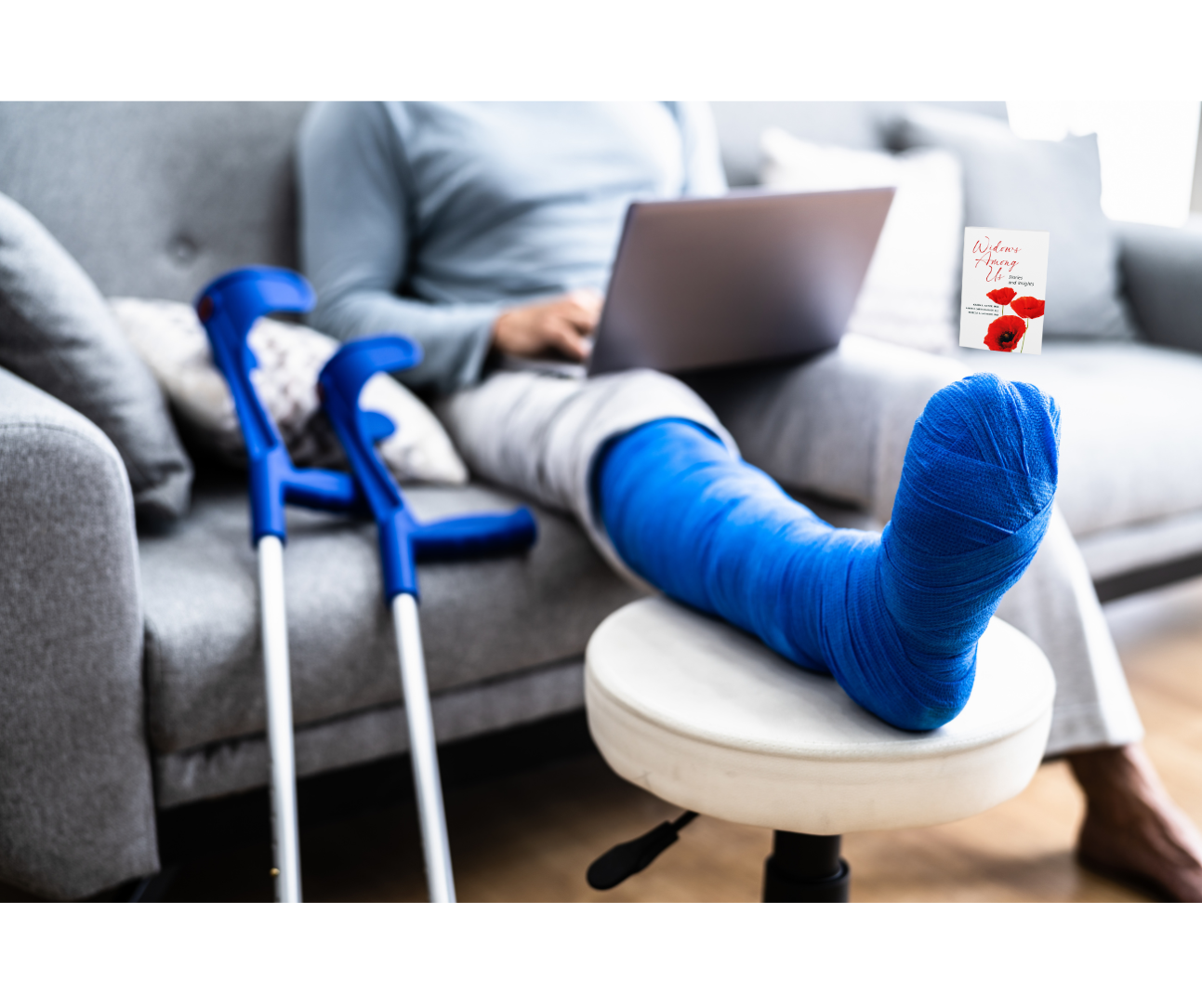
Short Karen three weeks after her knee replacement.
October 3, 2025
What’s a Widow to do? - Part 2
Last month, Short Karen shared her perspective as a widow navigating her healthcare needs. We left September with a request to hear from you, our readers, about suggestions/solutions for care during an illness or surgical recovery.
Our first response comes from a widow whose situation is very similar to Short Karen’s.
Our second response is from someone who found a way to get the care she needed.
*****
“Wow. I have been thinking about this as well. I am childless. My sister and niece live in another state. I have in-laws, but they are not terribly reliable. I a a bit younger than some folks, but I have severe scoliosis of the spine. I just got over a terrible cold and sinus infection. No one from my church contacted me. They never do. I am pretty much alone after the death of my husband nearly 4 years ago. At least he was a source of comfort when deciding whether I needed to see a doctor. I am in sort-of-okay health so far, but my sister is frightened that I am so alone. All your points are so apt. I should have surgery on my left hand, but I can’t be without it while it heals. It is much different for those who are alone. It is something I think about.”
*****
“I have faced similar issues. Although I have family, they did not live in Frederick, so I relied on friends and neighbors to help with the most essential aspects of immediate care: transportation to and from surgery, and a few groceries.”
When I had foot surgery and was unable to navigate the 20 steps to my bedroom, I rented space at a nearby retirement community for about 5 days until I could manage on my own. I had 24-hour care for the first 48 hours, then did reduced care after that. The unit I stayed in was a one-bedroom apartment; meals were delivered for an additional charge.”
“I found it a fantastic bridge service, and was very pleased with the service and care. By the time I left, I was ready to handle self-care. I also knew the neighbors were available to pitch in during an emergency. There wasn’t, but knowing they were there was a real comfort. They did a fabulous job of volunteering to pick up extras at the grocery, or checking in to how things were going.”
“Since the surgery was on my right foot, there were at least 6 weeks when I couldn’t drive. As much as possible, I rotated volunteers to take me to church and appointments.”
*****
The possibility of renting a caregiving space never crossed our minds! Now we know it can be a viable option.
September 2, 2025
What’s a Widow to do?
2025 has been an interesting year for the Three Widows and their health. Collectively, we’ve experienced “walking pneumonia”, a bleeding ulcer, a broken foot, and the need for a knee replacement. Add to that a surprising and unexpected cardiac problem and a hernia repair.
Short Karen shares her perspective as a widow navigating her health care needs.
*****
Dealing with health issues as a widow has been a challenging and exhausting experience for me. I generally enjoy good health, though I do have some troublesome skeletal problems. However, when my health is tested, the realities of being widowed, childless, and living alone become particularly difficult, especially since my family lives five or more hours away. While many of the struggles I face are similar to those experienced by anyone who lives alone, the transition has been hard for those of us who shared decades of life with a spouse.
As the eldest among the Three Widows, I see the world through circumstances unlike those of my peers. When something feels off, health-wise, I no longer have my husband to discuss it with, and my imagination runs wild. I might turn to WebMD or consult an online health advisor, but it doesn’t compare to having his logical support and straightforward caregiving.
If I pull a muscle or break a bone, accessing my phone, which may be in another room, or unlocking the door for someone to help can be quite difficult. Even something as simple as getting to the kitchen to retrieve an ice pack for a pulled muscle can become a painful ordeal.
Asking someone to take me to an urgent care center or requesting help can be embarrassing. I worry about whether my situation is serious enough to warrant assistance. The urgent care process can be lengthy, and I feel guilty about making someone wait for me. Calling for a ride home on short notice adds to my discomfort, and while I could use Uber, Lyft, or a taxi, I am uneasy about relying on strangers.
Tall Karen suggested I consider how I would feel if the roles were reversed and a friend needed help. She encouraged me not to let my desire for independence prevent me from accepting help when it’s offered. However, that’s where my discomfort lies. While many people are willing to help, I often feel my need may be an inconvenience to them. Karen also pointed out that my willingness to ask for help might encourage others to do the same when they need it.
Surgery presents its own challenges. Aside from arranging transportation in both directions, I might need recovery support. Options like staying at a friend’s home or having someone stay with me depend on their work schedules and pet responsibilities. If I had a per, caring for it would add another layer of complexity.
I decided to pay for my cousin and a friend to fly here and arranged for their airport transportation. Although hiring a home healthcare service may cost about the same, I’m uneasy about having strangers in my home while I’m resting.
These alternative may be financially challenging for other widows and highlight the complexities of managing healthcare as a widow or someone living alone.
I wish I had more suggestions to offer, but I don’t. I would love to hear your thoughts and solutions. Please send your comments and ideas to info@threewidows.com and we’ll share your solutions in our next issue.
August 10, 2025
You’re Never Too Young To Prepare
-by Tall Karen -
My daughter, who is in her 30s asked me to speak with her friends about a topic that is very important to me: preparing and organizing essential documents and having crucial “what if” conversations with loved ones. She was only 22 when her father died and lived with me for the year after her college graduation. During that time, she witnessed my anxiety about our financial situation alongside my grief. She and her friends often engage in these significant discussions - in fact, my other daughter even held a tax seminar for a group last year to share knowledge and learn from one another.
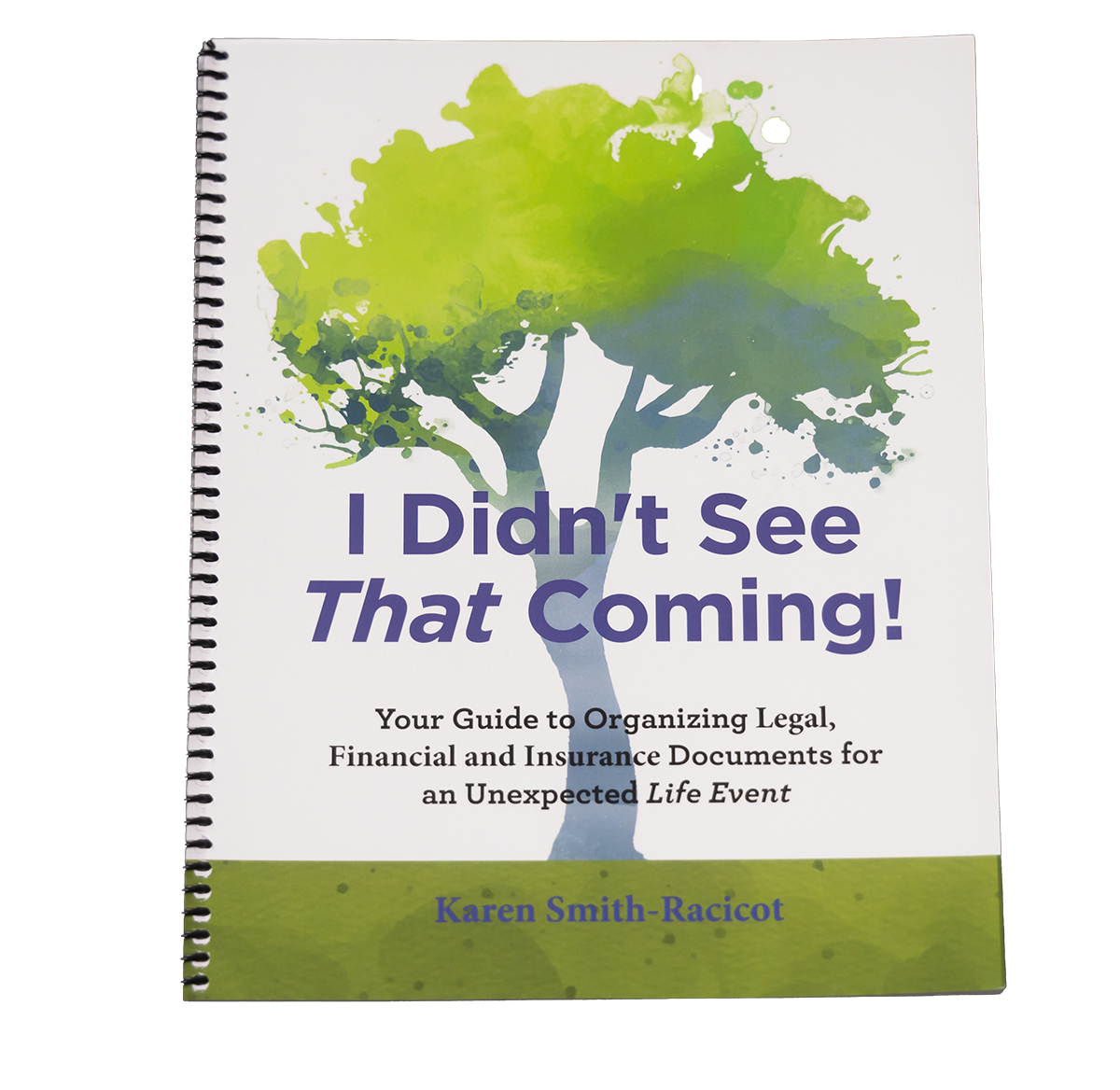
A lively group of six gathered, each bringing a unique mix of financial knowledge, relationship status, and concerns. Everyone showed genuine interest in our workbook, “I Didn’t See that Coming!” both for their own understanding and to help their parents. They asked thoughtful questions about budgeting, especially from a recent graduate doctor managing student loans. Other questions included:
the importance and reasons behind life insurance;
how to set up a trust, considering tax implications and property transfer, often for thier parents’ estate planning;
issues faced by unmarried parnters owning joing property and what happens if one passes away unexpectedly;
and ways to protect themselves financially if they’re in a relationship that might not last, especially when funds are shared.
We had a great conversation, and I was delighted to learn that my daughters not only absorbed valuable lessons from my experiences following Sam’s death but are also sharing that knowledge with their friends to help and support them. The earlier you start asking questions and learning about this topic, the better off you and your loved ones will be.
*****
The “I didn’t See That Coming!” workbook is a helpful tool for organizing your important legal, financial, insurance, and other paperwork and information. You can easily purchase if from our website or Amazon. We also love sharing knowledge through presentations and workshop on this topic, so feel free to reach our and arrange a time that works for you!
July 7, 2025
What is an Intentional Friend?
Intentional friendship focuses on building meaningful and purposeful connections. Whether it’s supporting each other’s personal growth or simply enjoying time together, these friendships are nurtured with care and thoughtfulness.
When it comes to supporting a widow being an intentional friend means being present for her, eve if she appears to be managing well on her own. It’s crucial to acknowledge her struggles and offer a listening ear. As a caring friend, you can take small, thoughtful actions to assist her in healing — and you may find healing for yourself in the process. Rather than trying to “fix” everything, concentrate on helping her navigate her new path. Be considerate in your support and encourage her as she faces the challenges ahead. Your friendship can make a significant difference!
For more examples of intentional friendship, refer to out book, “Widows Among Us: Stories and Insights”, Par 4 -”how to help a Widow”, pages 159-169.
June 4, 2025
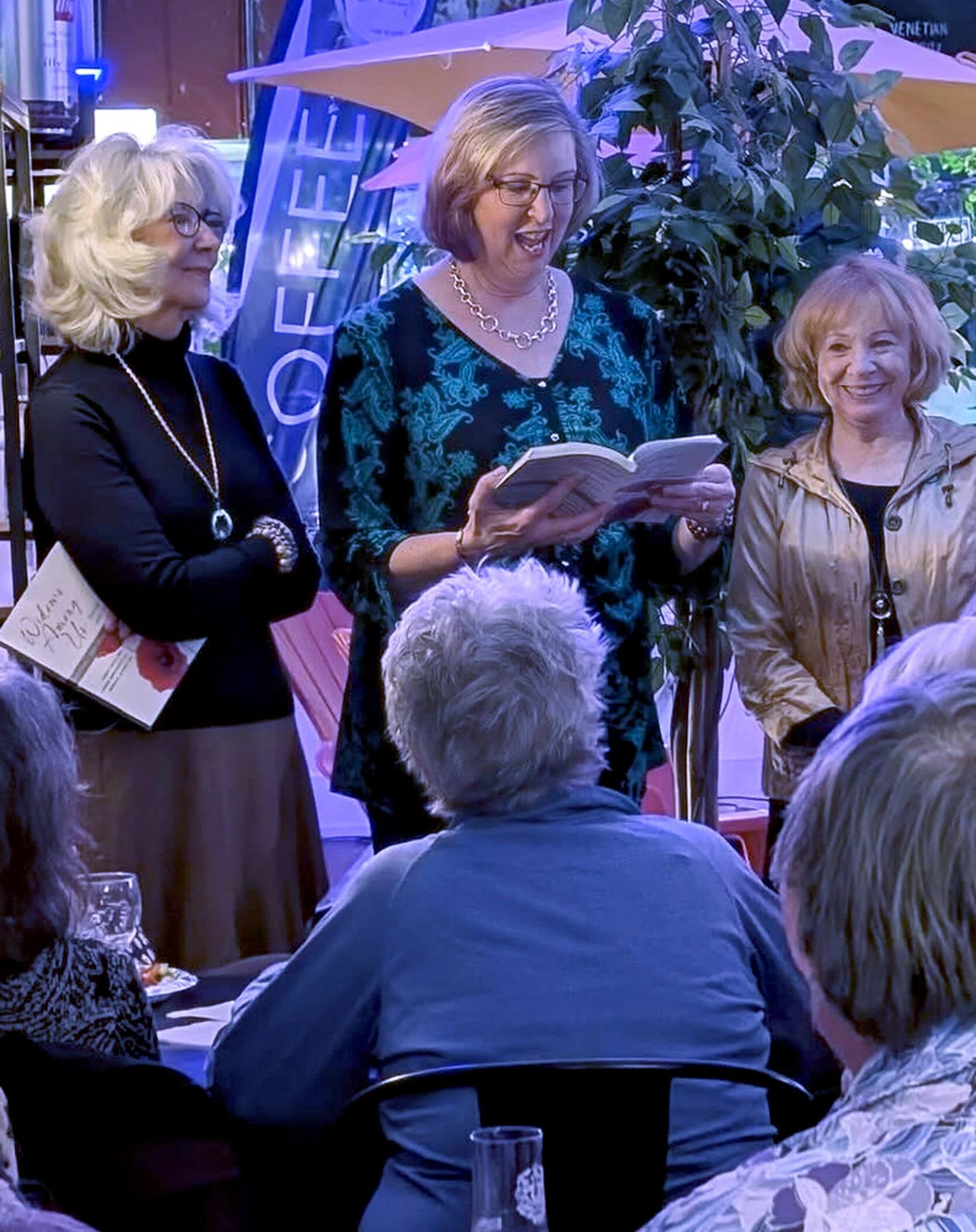
We have the best audiences! Participants’ questions help us dig deeper and clarify information. Here are some of the questions we’ve received.
Are people with grief-induced brain fog susceptible to scams? (See the May 2025 blog post for answers,)
What is an Intentional Friend. Ooh, great question. We’ll share our understanding of an Intentional Friend in the July blog post.
How do you pic up the pieces and move forward? This question was a creative spark for us. While we described in our book how each of us picked up the pieces we decided to go “all out” and build the answer using our metaphor for widowhood and grief - the kintsugi pot. We can’t wait to share it with you in future newsletters and presentations.
What questions do you have for us? Because answering YOUR questions helps us help others. Drop your question on our Contact Us page.
May, 2025
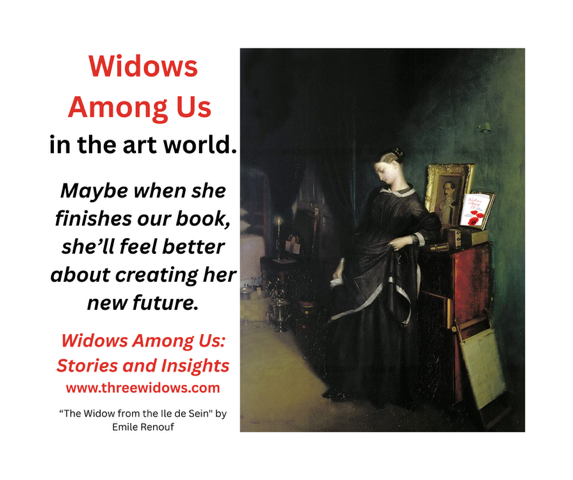
Grief-Induced Brain Fog and Susceptibility to Scams
Brain fog is a temporary, yet powerful stress response that disrupts concentration, memory retention, and mental clarity due to grief-related stressors. These stressors also increase cortisol levels, further affecting cognitive function and causing fatigue and fogginess. Additionally, sleep disturbances associated with grief further complicate these cognitive challenges.
During a recent presentation, I shared my experience with brain fog after my husband’s death. A year after his passing, I received an unexpected tax bill of $12,000. If my accountant told me how to prevent this situation, I completely forgot the details by the time I left his office. This costly surprise underscored the value of having “a second set of ears” during important meetings — such as meetings with my accountant.
A second set of ears means bringing someone with you to take notes on the questions and answers discussed. This person can also remind you to ask any question you might have overlooked.
During this presentation, a gentleman asked if people experiencing brain fog are more vulnerable to scams. This question has never been raised in our presentations before!
I answered honestly that my phone alerts me to potential scams, and I avoid answering calls from unfamiliar numbers. What about those strange emails? Click on the sender’s email address to see if it really is anyone you know. Don’t know the sender or the address is “wonky?” Delete the email immediately without opening it. We also recommend that before making any decisions, individuals discuss the opic with a trusted frined or family member for a second opinion.
A later search about scams led me to a scale by James, Boyle, and Bennett (2014) that could help widowed individuals. The scale prompts users to consider, “How likely am I to say ‘yes’ to these statements?”
I answer the phone whenever it rings, even if I do not know who is calling.
I have difficulty ending a phone call, even if the caller is a telemarketer, someone I do not know, or someone I did not wish to call me.
If a telemarketer call me, I usually listen to what they have to say.
If the answer to any of these statement is “yes,” it may be wise for the grieving person experiencing brain fog to see support from a trusted friend or family member. This can help shied them from potential scams until their stress hormones return to balanced levels and brain fog diminishes.
-Rebecca-
Need a notebook for your second set of ears? We have a notebook for that very purpose available in the web store.
January 9, 2025!
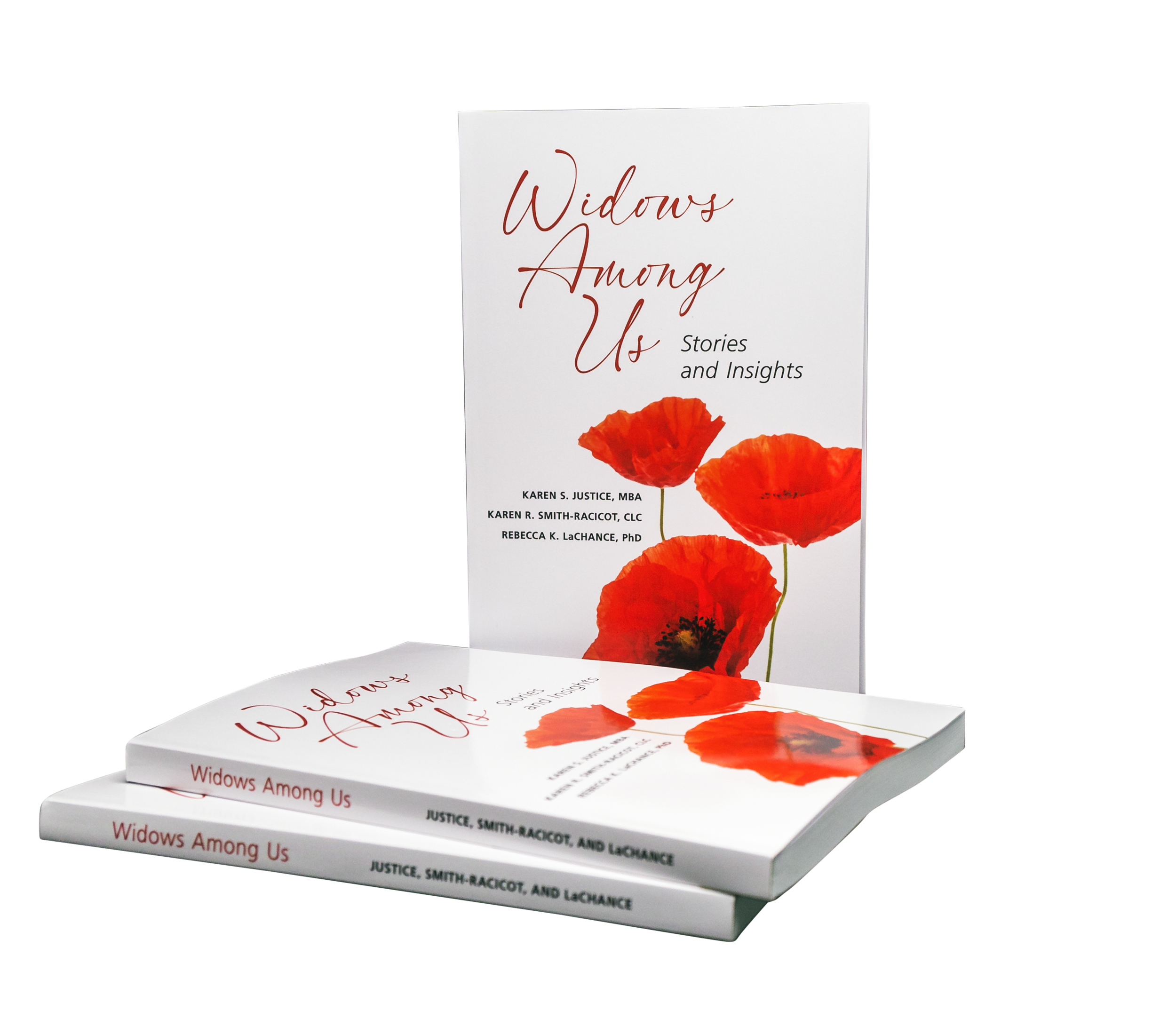
We are thrilled to announce that our book has finally been published after nearly two years of dedicated writing and passion.
The journey began during a snowy retreat in Sedona, when we found ourselves cozied up on the porch of our rental home, blankets around us, and the warmth of a crackling fireplace radiating comfort. The stunning red rock mountains rose before us. (There may have been wine.)
As we connected over our experiences as widows, we excavated the challenges we faced - conversations that many people shy away from.
That’s when we decided to write a book (again, wine may have been involved). Our mission is to bring widowhood into the open, showing that it’s possible to cherish our past loves while wholeheartedly stepping into our unexpected future.